2026-09-16 ·
Transportation Planning for Modular Data Center Buildings
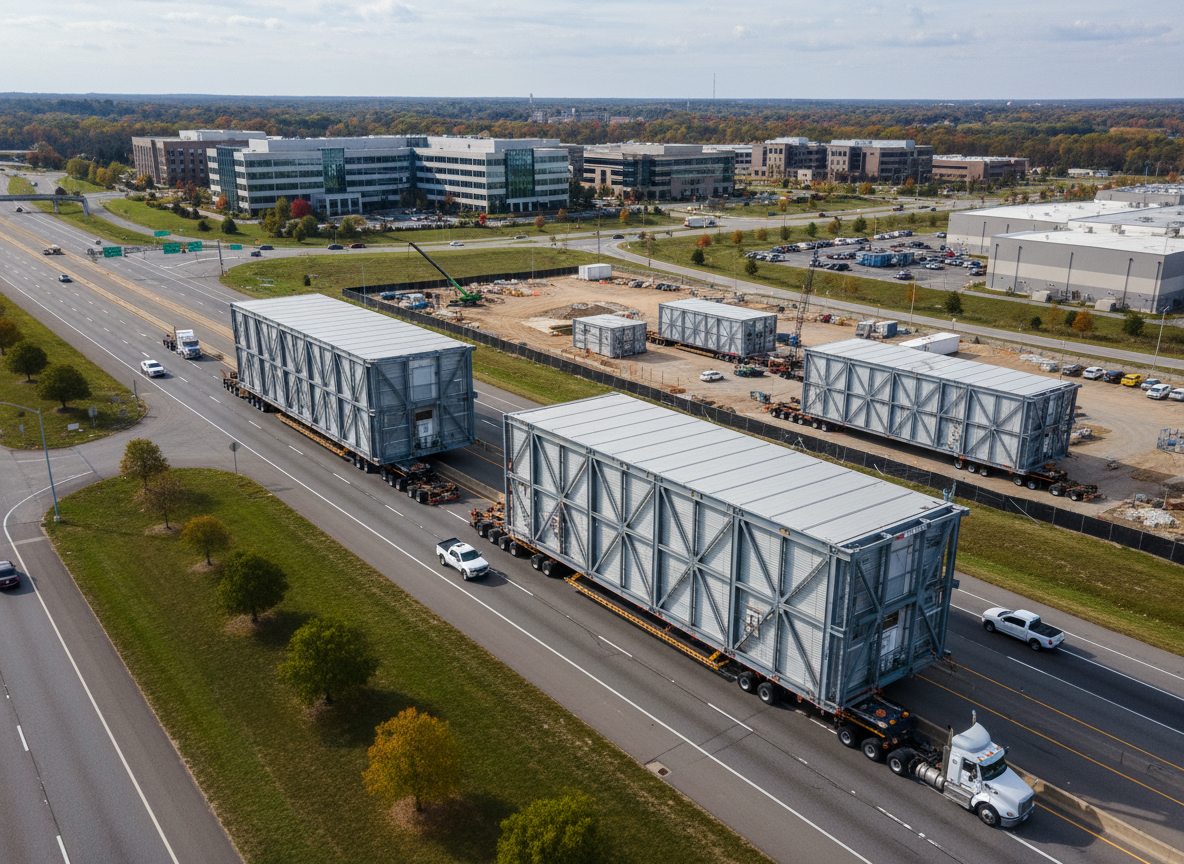
Effective transportation planning is critical for the successful deployment of modular data center buildings, often dictating timelines and budgets. This involves meticulous route surveys, securing specialized permits, engaging experienced heavy-haul carriers, and implementing robust risk mitigation strategies to ensure safe and timely delivery. The complexity scales with module size; a standard 12-foot wide, 80-foot long module might navigate most major routes with a few permits, but an oversized module, perhaps 18 feet wide and 100 feet long, could require extensive escorts, temporary road closures, utility line lifts, and even structural modifications to bridges or overpasses. Transit times can vary from a few days for short distances within a single region, to several weeks for intercontinental shipments requiring multiple modes of transport and customs clearances. For instance, moving a large module from a fabrication facility to a site in, say, rural Australia, will entail different logistical challenges and timelines compared to a delivery within a well-developed European transport network.
Pre-Shipment Planning and Route Surveys
The foundation of successful modular data center transport lies in comprehensive pre-shipment planning, with the route survey as its cornerstone. This detailed assessment identifies all potential obstacles along the entire transport path, from the manufacturing facility gate to the final site. Key considerations include bridge clearances (vertical and horizontal), road widths, turning radii at intersections, overhead utility lines (power, communication), traffic light heights, and any temporary or permanent structures that might impede passage. For projects deploying Multi-Building Data Center Infrastructure, this planning phase becomes even more intricate, as multiple large modules must be coordinated for sequential or simultaneous delivery. The survey also evaluates road surface conditions, potential weight restrictions on bridges, and seasonal weather impacts, such as heavy snow in Nordic regions or monsoon rains in Southeast Asia, which could necessitate route adjustments or schedule shifts.
Permitting and Regulatory Compliance
Navigating the labyrinth of permits and regulatory compliance is a significant undertaking for modular data center transport. Each jurisdiction—whether state, provincial, or municipal—has its own specific requirements for oversized and overweight loads. These permits often specify travel times (e.g., no travel during peak hours), required escort vehicles, signage, and lighting. For international shipments, customs declarations, import/export licenses, and adherence to specific national transport regulations (e.g., axle load limits in Germany or specific vehicle configurations in Japan) add layers of complexity. Engaging a carrier with extensive experience in the target regions, such as those familiar with the specific permitting processes for large industrial modules moving into a major hub like Frankfurt or Singapore, is crucial to avoid costly delays and penalties. Missteps in this phase can lead to modules being impounded or rerouted, impacting project timelines significantly.
Specialized Transportation Equipment and Carriers
The sheer size and weight of Modular Data Center Buildings demand specialized transportation equipment and highly experienced carriers. Standard flatbed trucks are insufficient; heavy-haul carriers utilize multi-axle trailers, often steerable, with hydraulic suspension systems capable of distributing immense loads and maintaining stability over varied terrain. Depending on the module's dimensions and weight, self-propelled modular transporters (SPMTs) may be employed for short, extremely heavy hauls or complex on-site maneuvers. Selecting a carrier is not merely about cost; it's about their proven track record, their fleet's capacity, their safety record, and their expertise in managing complex logistics, including coordinating with utility companies for line lifts or local law enforcement for traffic control. Their ability to handle diverse challenges, from navigating tight urban environments to traversing remote access roads, is paramount.
Risk Mitigation and Contingency Planning
Despite meticulous planning, unforeseen challenges can arise during transport. Therefore, robust risk mitigation and contingency planning are essential. This includes comprehensive insurance coverage for the modules in transit, covering potential damage from accidents, environmental factors, or theft. Contingency plans should address scenarios such as vehicle breakdowns, unexpected road closures, severe weather events, or permit issues. This might involve identifying alternative routes, having backup transport equipment on standby, or establishing clear communication protocols with all stakeholders—the client, the carrier, and local authorities. For sensitive equipment within the modules, such as servers or networking gear in Integrated Modular Data Centers, specialized vibration-dampening transport systems and real-time monitoring of environmental conditions (temperature, humidity) within the module are critical to prevent damage. Proactive communication and a clear chain of command for decision-making during unexpected events are vital to maintaining project momentum.
On-Site Logistics and Final Placement
Transportation planning doesn't end when the module arrives at the site perimeter. The final leg of the journey, from the site entrance to the exact foundation pad, often presents its own unique set of challenges. This phase requires careful coordination with site development teams, ensuring access roads are properly graded and compacted, and that the foundation is ready. Specialized cranes or jacking and sliding systems are typically employed for the precise placement of modular buildings. The site logistics plan must account for the crane's swing radius, ground bearing pressure, and the sequential delivery of multiple modules for projects like Data Center Expansion Modules. Considerations such as weather conditions on placement day, adequate lighting for night operations, and the availability of skilled rigging crews are all part of a comprehensive final placement strategy. Understanding these complexities upfront is key to avoiding costly delays and ensuring a smooth transition from transport to installation.