2026-09-16 ·
Phased Capacity Expansion with Modular Infrastructure
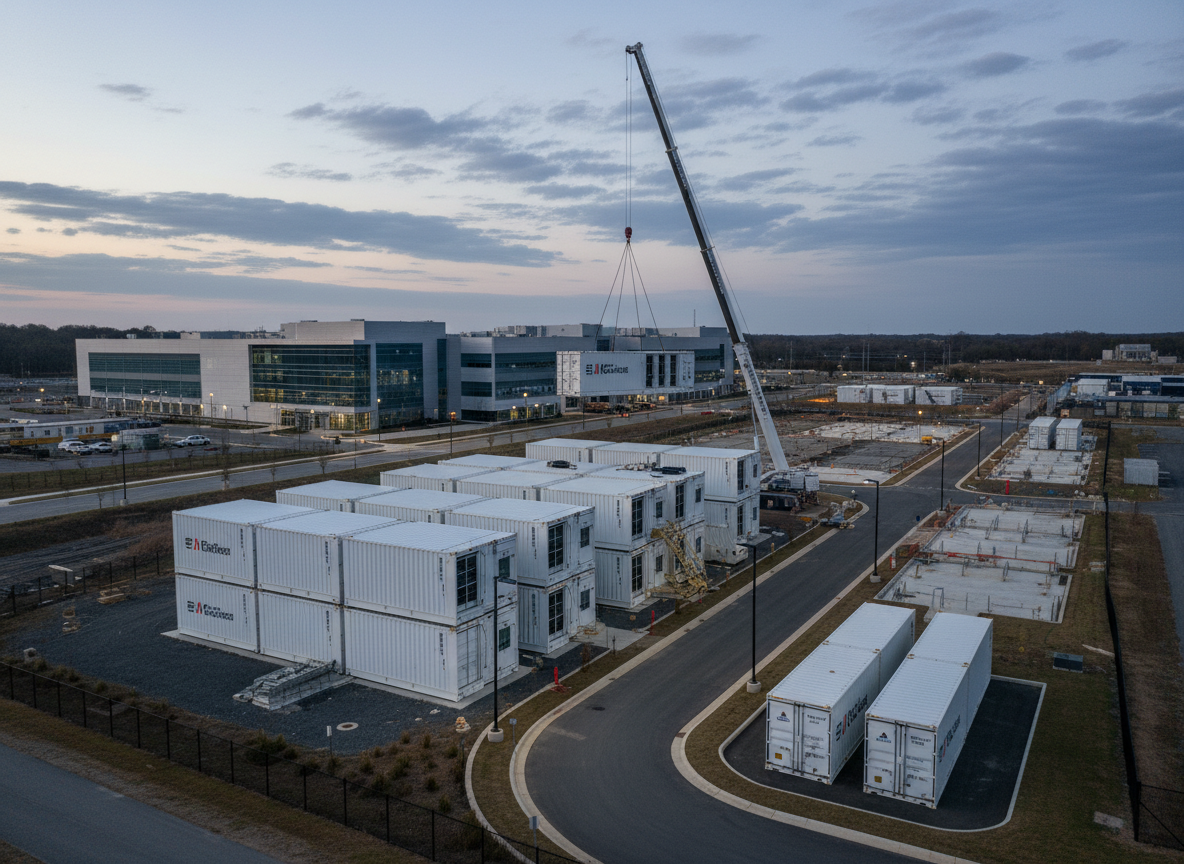
Phased capacity expansion using modular infrastructure is not just feasible but has become a cornerstone strategy for data center developers and operators worldwide, allowing for precise alignment of capital expenditure with actual demand growth. This approach enables data center facilities to scale from initial deployments of 2 MW to over 100 MW in increments as small as 500 kW to 2 MW per phase, with each phase typically delivered and commissioned within 8 to 16 months from design finalization to operational readiness. This contrasts sharply with traditional stick-built construction, which often necessitates significant upfront investment for full capacity that may not be utilized for years, tying up capital and increasing time-to-market. Modular designs, including options like <a href="/services/data-center-expansion-modules">Data Center Expansion Modules</a>, allow for rapid deployment of pre-engineered, pre-tested blocks of capacity, ensuring that infrastructure is ready when needed without the burden of premature overbuilding.
Understanding Modular Phased Expansion Principles
The fundamental principle behind modular phased expansion is the decomposition of a large, complex data center project into smaller, manageable, and repeatable units. Instead of constructing an entire facility shell and then filling it with equipment over time, modular approaches involve deploying self-contained modules that integrate power, cooling, and IT infrastructure. These modules, such as <a href="/services/integrated-modular-data-centers">Integrated Modular Data Centers</a> or <a href="/services/modular-data-halls">Modular Data Halls</a>, are manufactured off-site in a controlled environment, reducing on-site construction time, minimizing disruption, and enhancing quality control. This manufacturing process allows for parallel development of multiple modules or phases, accelerating overall project timelines. The flexibility of this approach means that expansion can be executed in response to real-time market shifts or client demands, rather than speculative forecasts.
Strategic Planning for Incremental Growth
Effective phased expansion requires meticulous strategic planning that goes beyond just the physical modules. It involves a comprehensive understanding of projected demand, site logistics, and the interdependencies of various infrastructure components. Developers must consider how each module integrates with existing infrastructure, including utility connections, network backbones, and security systems. For example, a campus in Singapore might initially deploy a core power distribution module and a single data hall, with plans to add additional data halls and <a href="/services/cooling-and-mechanical-modules">Cooling and Mechanical Modules</a> as demand dictates. This planning phase should also account for future technology upgrades and potential shifts in data center design, ensuring that initial investments do not create bottlenecks for subsequent phases. The goal is to create a scalable blueprint that allows for seamless, non-disruptive growth.
Benefits of Phased Deployment
The advantages of phased modular deployment are multifaceted, impacting financial, operational, and strategic aspects of data center development. Financially, it allows for a 'pay-as-you-grow' model, significantly reducing initial capital expenditure and improving return on investment by deploying capacity only when it generates revenue. Operationally, off-site manufacturing minimizes on-site construction risks, reduces noise and dust, and accelerates commissioning times. This is particularly beneficial in densely populated areas like London or Tokyo, where site access and disruption are critical concerns. Strategically, it provides unparalleled agility, allowing data center operators to respond quickly to market opportunities or unexpected demand surges, maintaining a competitive edge. This adaptability is crucial in a rapidly evolving technological landscape.
Technical Considerations for Module Interconnection
The successful implementation of phased modular expansion heavily relies on robust and well-planned interconnection strategies. This includes the seamless integration of power, cooling, and network infrastructure between modules and with the existing facility. For power, this often involves designing a scalable switchgear and distribution system that can accommodate additional <a href="/services/power-distribution-modules">Power Distribution Modules</a> or <a href="/services/modular-electrical-buildings">Modular Electrical Buildings</a> as new data halls come online. Cooling systems must be designed with modularity in mind, allowing for the addition of chillers, pumps, or cooling towers without impacting active modules. Network connectivity requires a flexible fiber and copper infrastructure that can be easily extended. Standardization of interfaces and connectors across modules is paramount to ensure rapid and reliable integration during each expansion phase. This foresight in design minimizes downtime and ensures operational continuity.
Managing Supply Chain and Logistics for Phased Projects
Executing a phased modular project requires a sophisticated approach to supply chain and logistics, especially when dealing with global deployments. Manufacturers must coordinate the production and delivery of modules to align with the phased deployment schedule, often involving complex international shipping and specialized transport. Understanding module dimensions and transport limits is critical, as detailed in our article <a href="/blog/understanding-module-dimensions-and-transport-limits">Understanding Module Dimensions and Transport Limits</a>. For instance, deploying modules to a remote site in Riyadh or a bustling urban center in Paris requires different logistical considerations, including route surveys, permits, and crane operations. Effective project management ensures that modules arrive on-site precisely when needed, minimizing storage requirements and optimizing the construction schedule. This logistical precision is a key differentiator for successful phased expansion.