2026-09-16 ·
Managing Oversized Module Logistics
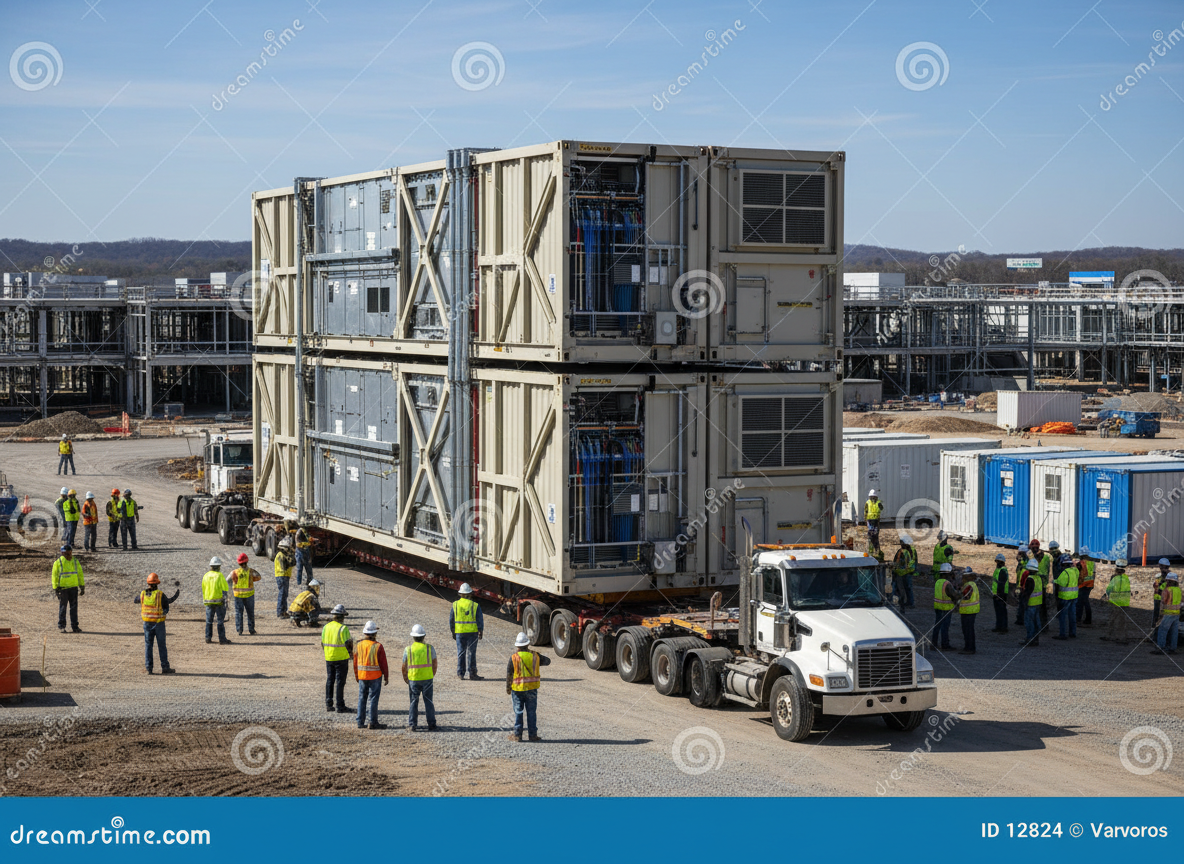
Managing oversized modular data center logistics primarily involves navigating stringent regulatory frameworks, securing specialized transport assets, and executing precise site coordination, often adding 15% to 30% to the overall module delivery timeline compared to standard freight, and potentially increasing transport costs by 20% to 50% depending on route complexity and module dimensions. The fundamental challenge lies in the sheer scale of these components, which frequently exceed standard road, rail, or sea freight envelopes, necessitating bespoke solutions for each leg of the journey. This initial planning phase, encompassing route surveys, permitting, and equipment allocation, is as critical as the physical movement itself, directly impacting project schedules and budgets.
Pre-Transport Planning and Permitting
The initial phase of managing oversized module logistics is dominated by exhaustive pre-transport planning and securing the necessary permits. This involves detailed route surveys to identify potential obstructions such as low bridges, tight turns, overhead power lines, and road weight restrictions across all transit countries and jurisdictions. For example, moving a large modular electrical building from a manufacturing facility in Europe to a data center site near Dublin, Ireland, might require permits from multiple national and local authorities, each with differing requirements for escort vehicles, time-of-day restrictions, and permissible dimensions. The lead time for obtaining these permits can range from a few weeks to several months, making early engagement with transport specialists and regulatory bodies paramount. Ignoring these complexities can lead to significant delays, fines, and rerouting expenses.
Specialized Transport Modes and Equipment
Transporting oversized modules often necessitates a combination of specialized modes and equipment. For land-based movements, multi-axle hydraulic platform trailers are common, capable of distributing heavy loads and adjusting height to clear obstacles. In some instances, particularly for very long distances or extremely large modules, barge or heavy-lift ship transport may be the only viable option, especially when crossing oceans or utilizing inland waterways, such as moving a large integrated modular data center from Southeast Asia to a site in Sydney, Australia. Rail transport can also be leveraged for long stretches, provided the rail network has the necessary clearances and heavy-haul capacity. Each mode requires specific loading, securing, and offloading procedures, often involving specialized cranes with capacities exceeding 500 tons, which must be coordinated meticulously at transfer points.
Site Logistics and Module Placement
Upon arrival at the destination country or port, the final leg of the journey and subsequent site integration present their own set of logistical challenges. This includes coordinating local road closures, managing traffic, and ensuring adequate laydown areas at the data center site. The precise placement of a modular data hall onto its foundation requires highly skilled rigging teams and often involves self-propelled modular transporters (SPMTs) or multiple large cranes operating in tandem. Soil bearing capacity at the site must be thoroughly assessed to support the weight of the modules and the heavy lifting equipment. Furthermore, the sequence of module delivery must align perfectly with the overall construction schedule, minimizing onsite storage time and ensuring a smooth workflow for subsequent utility connections and fit-out activities. Effective communication between the transport provider, general contractor, and data center developer is critical during this phase.
Risk Mitigation and Contingency Planning
Given the inherent complexities and potential for unforeseen issues, robust risk mitigation and contingency planning are indispensable for managing oversized module logistics. This includes comprehensive insurance policies covering transit damage, delays, and third-party liabilities. Detailed emergency response plans should be in place for potential incidents such as equipment breakdown, adverse weather conditions, or route obstructions. For example, a severe winter storm could halt transport across the Canadian prairies, necessitating pre-identified secure holding areas. Furthermore, selecting experienced logistics partners with a proven track record in heavy-haul and oversized cargo is crucial. Their expertise in navigating regulatory landscapes, managing specialized equipment, and executing complex lifts significantly reduces project risk. Understanding how when modularization makes sense for data center projects often hinges on the ability to manage these logistical challenges effectively, ensuring the benefits of offsite construction are realized without undue onsite complications.