2026-09-16 ·
MCC Buildings: What Data Center Teams Need to Know
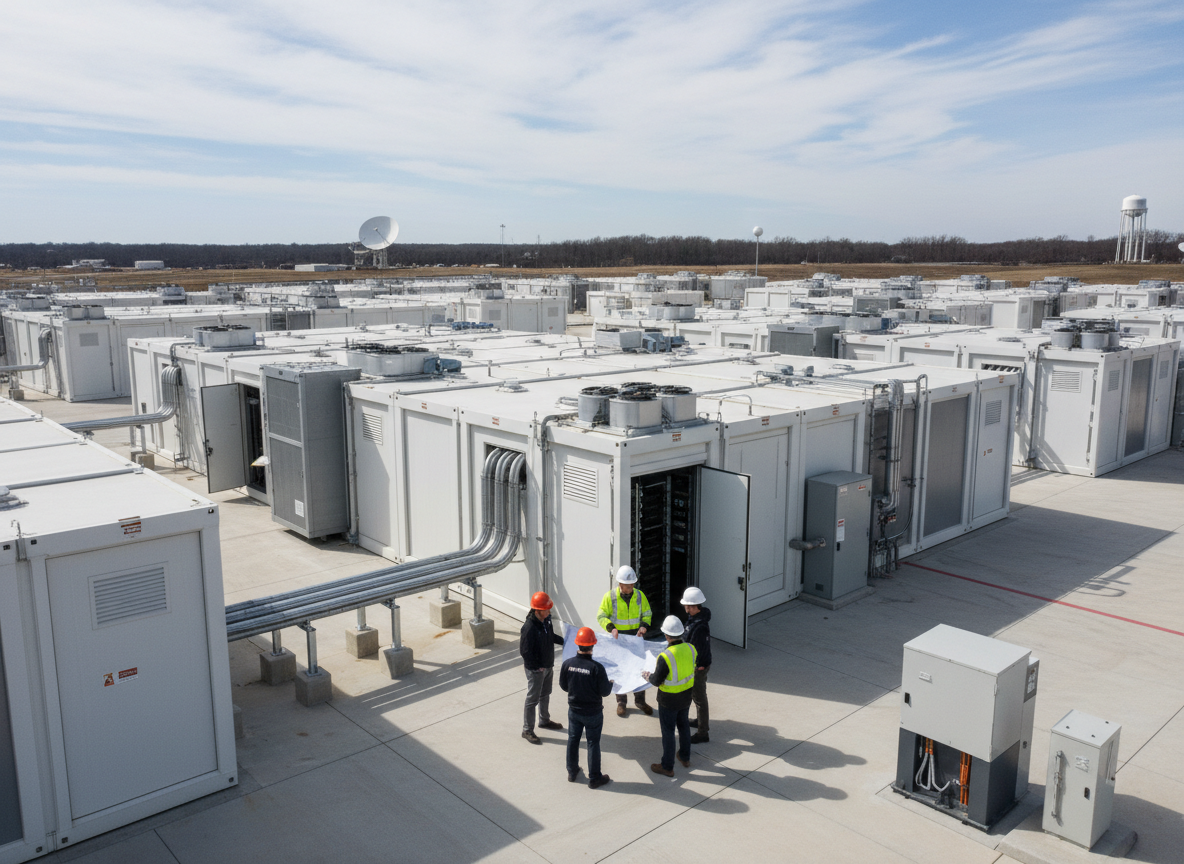
Motor Control Center (MCC) Buildings are purpose-built, modular structures designed to house and protect electrical distribution and motor control equipment, serving as a critical component in ensuring the reliable and safe operation of a data center's mechanical infrastructure. These buildings typically integrate motor starters, variable frequency drives (VFDs), programmable logic controllers (PLCs), and associated switchgear, providing a centralized and environmentally controlled space for managing power to HVAC systems, pumps, and other essential mechanical loads. Data center teams need to understand that MCC Buildings are not just enclosures; they are engineered solutions that contribute significantly to operational efficiency, maintenance accessibility, and overall system resilience, particularly in large-scale or distributed data center campuses.
The Role of MCC Buildings in Data Center Infrastructure
MCC Buildings play a pivotal role in the power distribution architecture of modern data centers. They act as the central nervous system for controlling and protecting motors and other electrical loads associated with the facility’s cooling systems, fire suppression pumps, and sometimes even specialized environmental controls within modular data halls. By consolidating these components into a dedicated, pre-engineered structure, data center operators can achieve greater control over their mechanical plant, simplify maintenance procedures, and enhance safety for personnel. The integration of PLCs within these buildings allows for sophisticated automation and remote monitoring, which is crucial for maintaining optimal operating conditions and responding quickly to potential issues. This centralized approach also streamlines the overall electrical design and reduces the complexity of onsite wiring, contributing to faster deployment times.
Key Components and Systems within an MCC Building
A typical MCC Building for a data center application is far more than an empty shell; it's a fully integrated electrical control hub. Key components commonly found inside include: Motor Control Centers (MCCs) themselves, which are assemblies of one or more enclosed sections having a common power bus and containing various combinations of motor control units. Variable Frequency Drives (VFDs) are often integrated to control the speed of motors, particularly for pumps and fans, optimizing energy consumption. Programmable Logic Controllers (PLCs) provide the intelligence for automation, sequencing, and control logic. Switchgear and circuit breakers ensure overcurrent protection and isolation. Additionally, these buildings house lighting, HVAC systems for internal environmental control, fire detection and suppression systems, and often human-machine interfaces (HMIs) for local monitoring and control. The specific configuration depends heavily on the data center's mechanical load requirements and overall operational strategy.
Benefits of Modular MCC Buildings for Data Center Projects
Opting for modular MCC Buildings offers several distinct advantages for data center developers and operators. Firstly, they significantly reduce onsite construction time and complexity. Fabricated offsite in a controlled environment, these modules arrive at the data center site pre-assembled, pre-wired, and pre-tested, minimizing the impact of weather delays and labor availability. This approach accelerates project timelines, which is critical in the fast-paced data center industry. Secondly, quality control is enhanced due to factory assembly processes, leading to more consistent and reliable installations. Thirdly, modularity allows for greater flexibility and scalability; as data center capacity grows, additional MCC Buildings can be deployed to support new mechanical infrastructure. This is particularly beneficial for large, multi-phase projects or facilities designed for future expansion, like those utilizing a multi-building data center infrastructure approach. Finally, safety is improved by shifting much of the complex electrical work from a potentially hazardous construction site to a controlled factory setting.
Design Considerations and Customization Options
Effective MCC Building design requires careful consideration of several factors to align with the data center's specific needs. Electrical load requirements are paramount, dictating the size and configuration of MCC buckets, VFDs, and switchgear. Environmental conditions at the deployment site, ranging from extreme heat in regions like Dubai to cold climates in Toronto, influence insulation, HVAC sizing, and structural materials. Data center teams must also consider accessibility for maintenance, future expansion capabilities, and integration with the overall Building Management System (BMS). Customization options extend to building dimensions, exterior finishes, internal layouts, security features (e.g., access control, CCTV), and specific fire suppression methodologies. Data Center Modular specializes in creating bespoke solutions, ensuring that each MCC Building is tailored to the project's unique operational and environmental demands, rather than offering a one-size-fits-all product.
Integration with Data Center Operations and Maintenance
Seamless integration of the MCC Building into the broader data center ecosystem is crucial for long-term operational efficiency. This includes electrical connectivity to the main power distribution network, data communication links for BMS and SCADA systems, and physical access for routine maintenance and emergency interventions. The design should facilitate safe and efficient access to all internal components, with adequate clearances for equipment servicing and replacement. Maintenance protocols for the electrical gear within the MCC Building should be developed in conjunction with the data center's overall preventive maintenance schedule. Remote monitoring capabilities, often facilitated by integrated PLCs and network connectivity, allow operators to track performance, identify potential issues, and optimize energy usage from a central control room, minimizing the need for constant onsite presence. This level of integration supports the high availability demands of modern data centers.