2026-08-05 ·
Modular Infrastructure for Cloud Data Centers
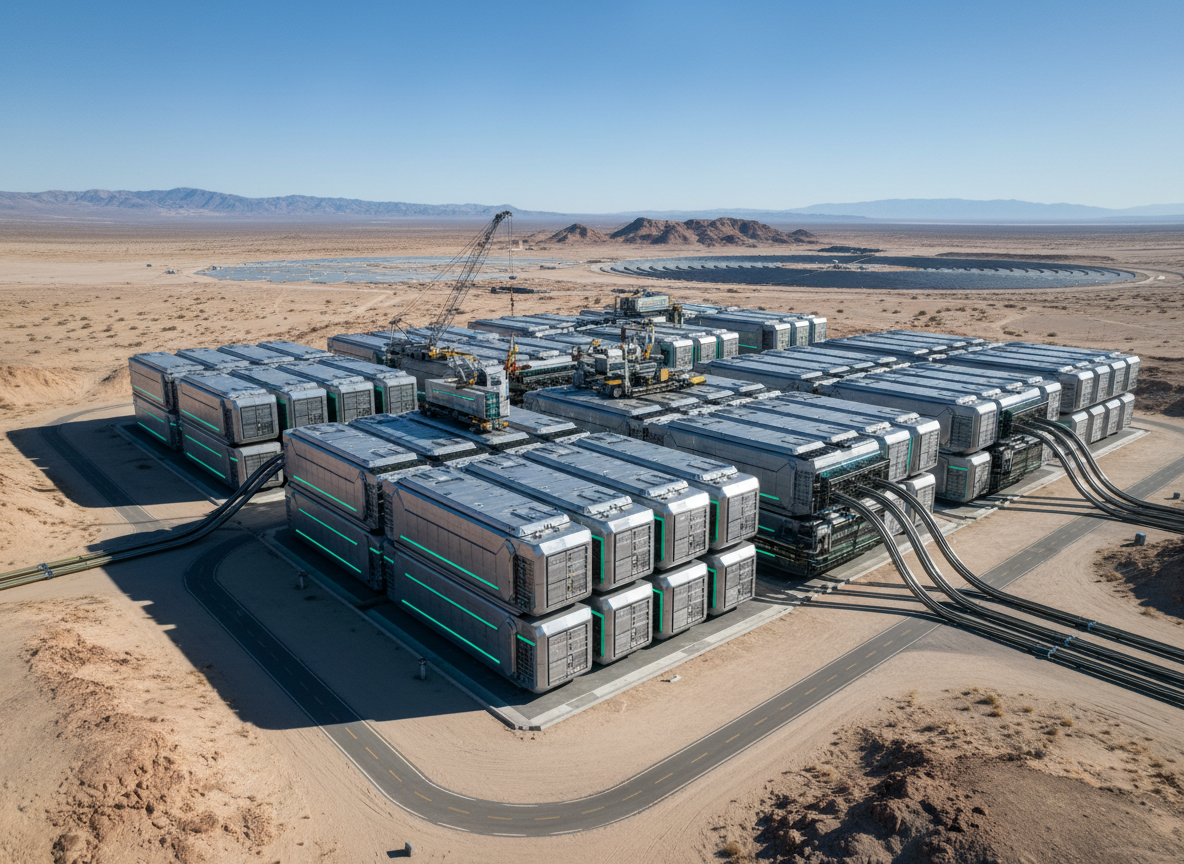
Cloud providers typically need to add data center capacity across many regions to meet latency, data-residency, and redundancy requirements, often on a rolling basis as a given region's demand grows. Data Center Modular supplies modular infrastructure designed to support this kind of distributed, repeatable capacity growth, from core building infrastructure to the electrical and cooling systems that support cloud-scale compute.
Infrastructure Needs
Cloud deployments generally require a building and electrical specification that can be replicated across multiple regions with only the adaptation needed for local climate, power source, and code requirements, along with cooling infrastructure that can support a mix of conventional cloud compute and a growing share of AI-accelerated instances. Redundancy architecture — the specific level of which is set by the buyer's own engineering team — is typically a central design input as well.
Relevant Modular Solutions
Modular data halls and integrated modular data centers support region-by-region cloud capacity growth, while cooling and mechanical modules can be configured for the density mix a given cloud region's workloads require.
Delivery and Responsibility
Data Center Modular manufactures modular infrastructure to project specifications for cloud data center programs in any region. Local permitting, grid connection, site preparation, foundations, and installation remain the responsibility of the project's local team in each region; Data Center Modular's role is to manufacture the modular infrastructure, not to take on the local construction work itself.
Related Markets and Resources
See our Ireland and Netherlands pages for market-level detail on two established hubs for cloud and colocation capacity in Europe. For more on standardizing specifications across locations, see our blog post on modular vs. conventional data center construction.