2026-09-16 ·
Security Requirements for Modular Infrastructure
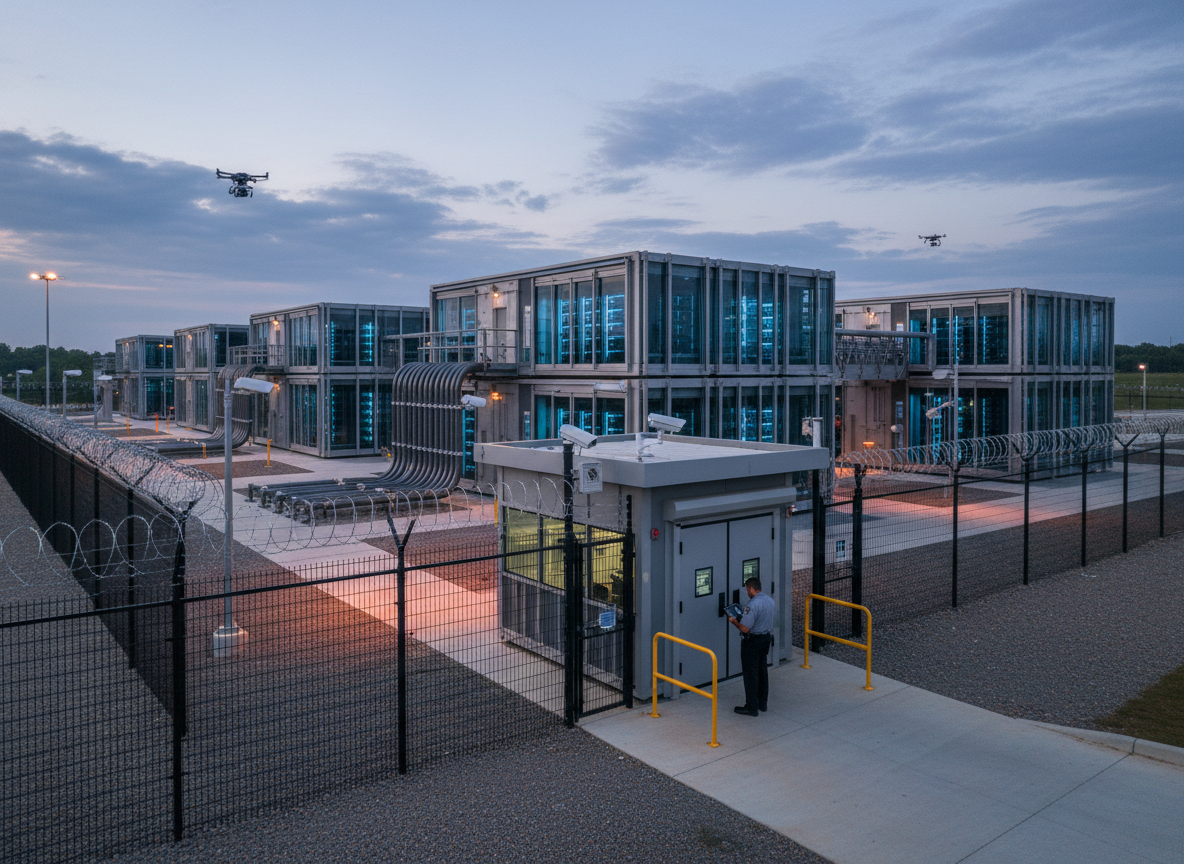
Security requirements for modular infrastructure are multifaceted, encompassing physical, cyber, and operational domains, with each demanding specific attention to ensure comprehensive protection. Unlike traditional stick-built facilities, the distributed and often rapidly deployable nature of modular solutions necessitates a proactive, integrated security strategy from initial design through deployment and ongoing operation. This includes robust physical hardening, advanced cyber-resilience measures, and stringent operational protocols tailored to the unique characteristics of modular designs, such as those found in Edge Data Centers or Micro Data Centers where physical access points might be more numerous or geographically dispersed.
Physical Security Considerations
Physical security for modular data centers begins with the structural integrity of the module itself. Modules must be constructed from materials that resist forced entry and environmental threats. This includes reinforced walls, tamper-proof access points, and durable exterior finishes capable of withstanding local climate conditions, from the intense heat of Dubai to the freezing winters of Toronto. Beyond the module's shell, access control systems are paramount. These should include multi-factor authentication, biometric scanners, and robust key management systems for all entry points, including personnel doors, equipment access panels, and utility connections.
Perimeter security around the modular deployment site is equally critical. This involves fencing, surveillance cameras (CCTV) with analytics capabilities, and intrusion detection systems. For deployments in remote or less secure locations, such as those supporting temporary or interim infrastructure, additional measures like guard patrols or hardened barriers may be necessary. The design must also account for natural disaster resilience, including flood plain considerations, seismic bracing, and wind load resistance, ensuring the physical structure can withstand regional environmental challenges.
Cyber Security Integration
Cybersecurity in modular infrastructure extends beyond the IT equipment within the module to the operational technology (OT) that manages the module's environment. This includes Building Management Systems (BMS), Power Distribution Units (PDUs), and Cooling Units. These OT systems often run on embedded devices that can be vulnerable if not properly secured. Network segmentation is a fundamental principle, isolating critical control networks from general IT networks to prevent lateral movement of threats. Intrusion detection and prevention systems (IDPS) are essential for monitoring network traffic for suspicious activity.
Regular vulnerability assessments and penetration testing are crucial for identifying and mitigating potential cyber weaknesses before they can be exploited. This is especially true for modules deployed in diverse global markets, where local regulations and threat landscapes can vary significantly. All software and firmware within the modular infrastructure, from the operating systems on servers to the embedded code in environmental controls, must be kept up-to-date with the latest security patches. Furthermore, secure configurations should be applied to all devices by default, disabling unnecessary services and ports.
Operational Security Protocols
Operational security focuses on the processes and personnel involved in managing and maintaining modular data centers. This includes stringent access management policies, ensuring that only authorized individuals have physical and logical access to the modules. A clear chain of custody for all equipment, from initial manufacturing to final deployment and decommissioning, is vital to prevent tampering. Regular security audits and compliance checks are necessary to ensure that all protocols are being followed and to identify any deviations.
Emergency response plans are another critical component of operational security. These plans must detail procedures for responding to physical breaches, cyberattacks, power outages, and environmental incidents. Personnel training is paramount, equipping staff with the knowledge and skills to identify and respond to security threats effectively. This includes training on phishing awareness, social engineering tactics, and physical security procedures. For a deeper dive into the logistical considerations of these deployments, see our article on Understanding Module Dimensions and Transport Limits.
Supply Chain Security
The modular nature of these deployments introduces specific supply chain security considerations. Components and modules are often manufactured off-site and transported to the final location, creating potential vulnerabilities at various stages. Robust vendor management programs are essential, requiring suppliers to adhere to strict security standards throughout the manufacturing and delivery process. This includes audits of manufacturing facilities, secure packaging and transportation protocols, and tamper-evident seals on all shipments.