2026-09-16 ·
Structural Requirements for Modular Data Center Buildings
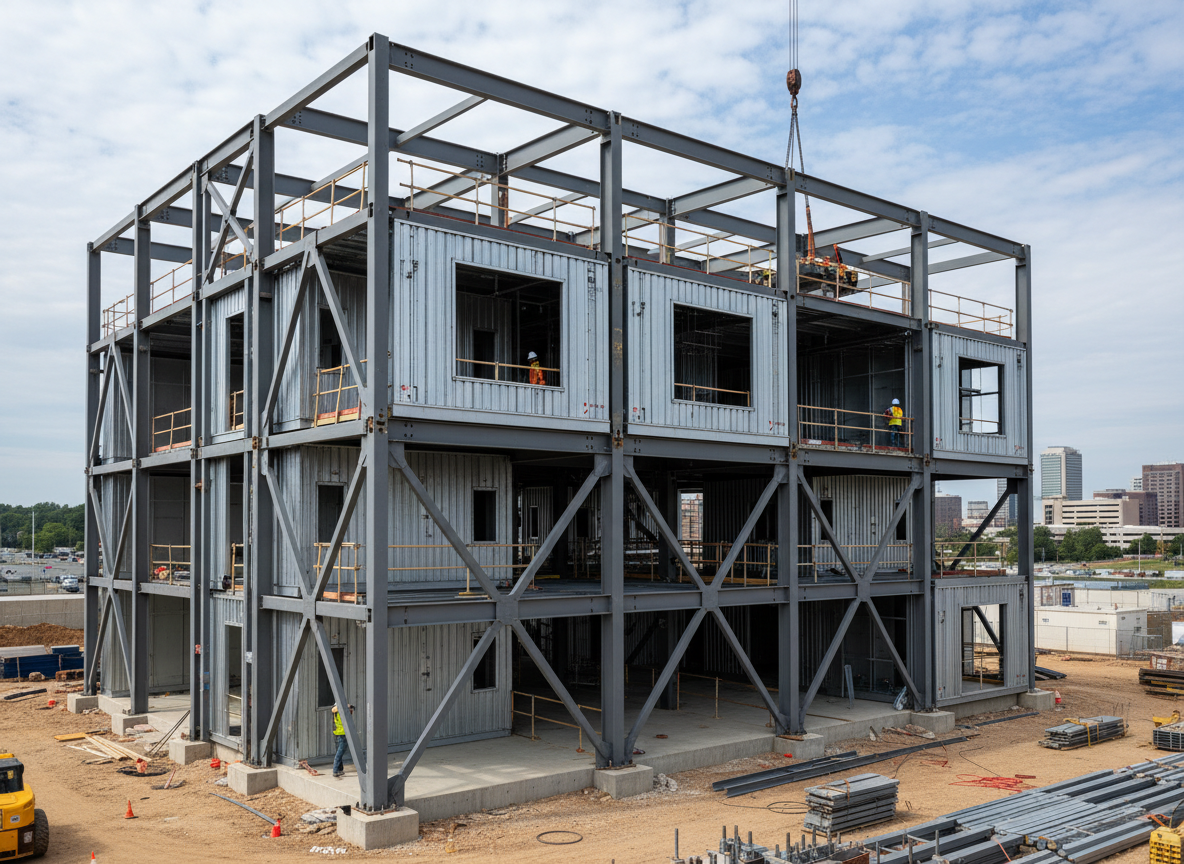
The structural requirements for modular data center buildings are primarily dictated by the significant dead and live loads they must support, alongside dynamic forces such as seismic activity and wind. Specifically, floor loading often needs to accommodate equipment densities ranging from 250 to 500 pounds per square foot (psf), with some high-density deployments requiring up to 1,000 psf or more for specialized racks and power distribution units. This contrasts sharply with typical office building floor loads of 50-80 psf. Roof loads must account for HVAC units, cooling towers, and snow accumulation, which can range from 20 psf in temperate climates to over 100 psf in regions like Hokkaido, Japan, or the Canadian Prairies. The building's structural frame, whether steel or reinforced concrete, must be engineered to withstand these static and dynamic forces while maintaining precise tolerances for equipment installation and vibration isolation.
Understanding Load Capacities and Distribution
Effective structural design begins with a comprehensive understanding of all potential loads. Dead loads include the weight of the building's structural components, walls, roofing, and permanent fixtures. For modular data centers, this also encompasses the weight of integrated power distribution modules, cooling units, and even the raised floor system itself. Live loads are dynamic and represent the weight of IT equipment, batteries, cabling, and personnel. The high concentration of IT equipment means that localized live loads can be exceptionally high, necessitating careful planning for weight distribution across the structural slab or raised floor. Engineers must also consider superimposed dead loads for future equipment additions or modifications, ensuring the structure retains sufficient capacity for growth. This often involves designing for a higher initial capacity than immediate needs, providing long-term flexibility.
Seismic Design Considerations
Seismic design is a critical factor, particularly in active earthquake zones such as California, Chile, or New Zealand. Modular data center buildings must be designed to withstand seismic events without compromising operational integrity. This involves not only the primary structural frame but also the anchoring and bracing of internal components. Equipment racks, UPS systems, and even fire suppression tanks must be securely fastened to prevent movement or collapse during an earthquake. Design codes such as ASCE 7 (Minimum Design Loads and Associated Criteria for Buildings and Other Structures) provide guidelines for seismic resistance, requiring detailed analysis of the site's seismic hazard and the building's response. Isolation systems, such as base isolators, can be incorporated into the foundation to decouple the structure from ground motion, further protecting sensitive equipment. This is especially important for facilities housing critical infrastructure like those found in <a href="/services/integrated-modular-data-centers">integrated modular data centers</a>.
Wind and Environmental Factors
Beyond seismic activity, modular data center buildings must be resilient to other environmental forces. Wind loads can exert significant pressure on exterior walls and roofs, particularly in regions prone to hurricanes or typhoons, such as the Gulf Coast of the United States or coastal areas of Southeast Asia. Building codes specify wind design pressures based on local wind speeds and exposure categories. Furthermore, the structural design must account for snow loads in colder climates, which can accumulate on roofs and add substantial weight. Thermal expansion and contraction due to temperature fluctuations also influence structural integrity over time. The choice of materials and connection details must accommodate these movements to prevent stress and fatigue. In extremely corrosive environments, such as coastal areas or industrial zones, materials may require special coatings or be selected for their inherent corrosion resistance.
Foundation Design and Site Preparation
The foundation is the bedrock of any modular data center building's structural integrity. Given the substantial loads, foundation design is paramount. This includes factors such as soil bearing capacity, frost heave potential in cold climates, and the presence of expansive clays. Common foundation types include reinforced concrete slabs-on-grade, spread footings, or pile foundations, depending on soil conditions and building size. Proper site preparation, including grading, compaction, and drainage, is essential to prevent differential settlement, which can lead to structural instability and equipment misalignment. For <a href="/services/edge-data-centers">edge data centers</a> deployed in remote or less developed areas, the foundation design may need to be adapted to challenging site conditions, requiring more robust or specialized solutions to ensure long-term stability and performance.
Material Selection and Durability
The selection of structural materials directly impacts the building's strength, durability, and overall performance. Steel frames offer high strength-to-weight ratios and design flexibility, often preferred for larger modular structures due to their speed of fabrication and erection. Reinforced concrete provides excellent fire resistance and mass, which can contribute to thermal stability and vibration damping. Hybrid approaches, combining steel and concrete, are also common. Regardless of the primary material, components must meet relevant industry standards for strength, fire rating, and corrosion resistance. The longevity of a modular data center building is directly tied to the durability of its structural components, requiring careful consideration of environmental stressors and maintenance requirements. Understanding <a href="/blog/fire-and-life-safety-coordination-for-modular-buildings">fire and life-safety coordination for modular buildings</a> is also crucial in material selection.