2026-09-16 ·
Environmental Design Criteria for Global Deployments
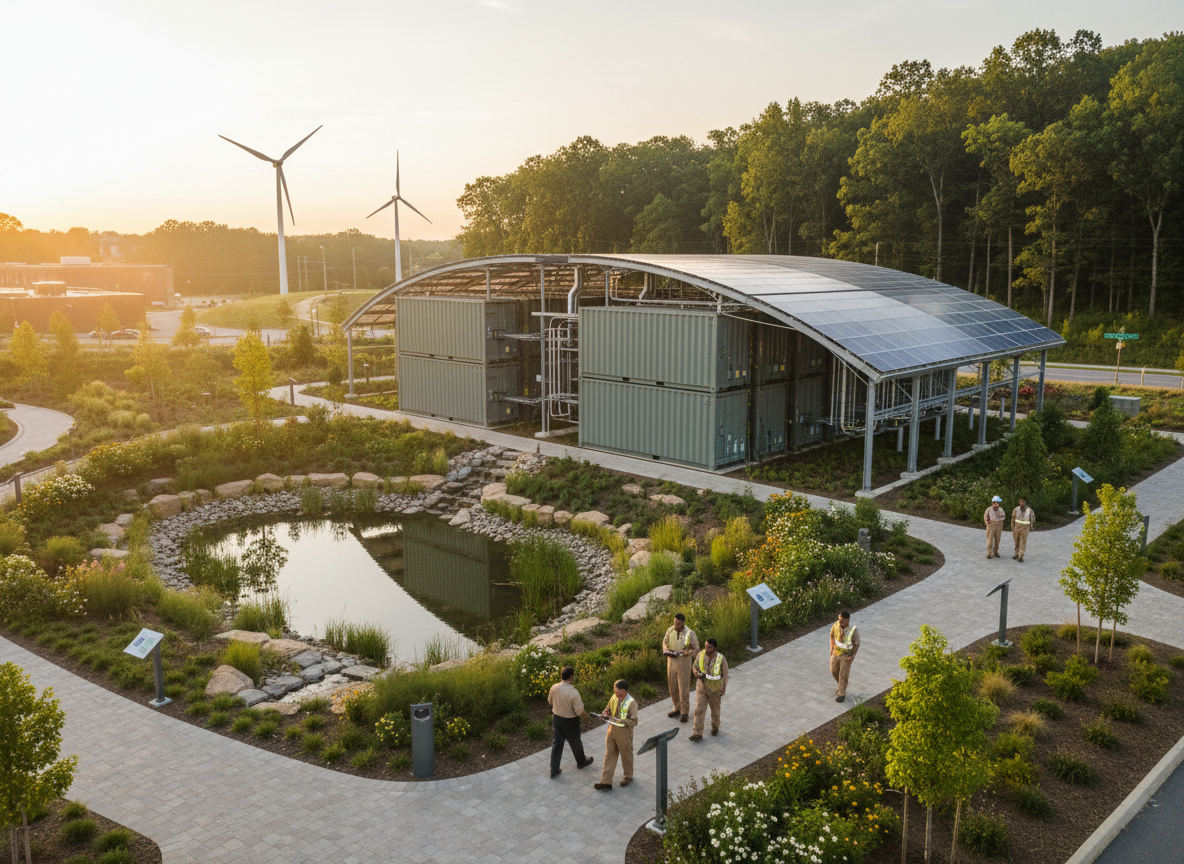
Environmental design criteria for global data center deployments must comprehensively address a range of factors, including thermal extremes from -40°C to +55°C, seismic activity up to Zone 4, corrosive atmospheric conditions, and wind loads exceeding 200 km/h. These parameters directly influence material selection, structural engineering, and the integration of specialized HVAC and power systems. Ignoring these regional variations can lead to premature equipment failure, operational inefficiencies, and significant financial losses. Therefore, a thorough site-specific environmental assessment is paramount before any modular data center infrastructure is designed or deployed, ensuring the facility's long-term reliability and performance in its intended operational environment.
Thermal Management in Extreme Climates
Thermal management is arguably the most critical environmental design criterion, given the wide range of ambient temperatures encountered globally. In regions like the Middle East, such as Dubai or Riyadh, ambient temperatures can regularly exceed +50°C, necessitating robust cooling systems, often with adiabatic or evaporative pre-cooling to reduce the load on mechanical refrigeration. Conversely, deployments in Scandinavia, like Oslo or Helsinki, might experience prolonged periods below -30°C, requiring heating elements for critical infrastructure and specialized insulation to prevent freezing of liquids and condensation issues. The design must account for both peak heating and cooling loads, as well as rapid temperature swings that can stress materials and components.
The choice of cooling technology, whether direct expansion (DX), chilled water, or free cooling, is heavily influenced by these thermal extremes and the availability of resources like water. For instance, in water-scarce regions, air-cooled systems or those utilizing closed-loop evaporative coolers become more viable. Furthermore, the insulation R-value of the modular structure, the thermal bridging characteristics of its components, and the sealing effectiveness against air infiltration are all critical to maintaining stable internal temperatures and optimizing energy efficiency. This comprehensive approach ensures that the internal environment remains within the strict operating parameters required for IT equipment, regardless of external conditions.
Seismic and Structural Resilience
Data centers, by their nature, house critical and often heavy equipment, making seismic resilience a non-negotiable design criterion in earthquake-prone regions. Areas such as Tokyo, Santiago, or Silicon Valley require structures designed to withstand significant seismic events, often adhering to building codes like IBC (International Building Code) with specific seismic design categories (SDC) ranging from A to F. This involves not only the structural integrity of the modular units themselves but also the anchoring systems that secure them to the foundation and the internal bracing for racks and equipment. The goal is to prevent structural collapse, minimize equipment damage, and ensure operational continuity during and after an event.
Engineers must consider factors such as base isolation systems, seismic bracing for internal components, and the dynamic response of the entire modular assembly. For example, a modular electrical building containing heavy switchgear and transformers requires careful consideration of its center of gravity and the forces it will experience during an earthquake. The design process involves detailed finite element analysis (FEA) to simulate seismic loads and ensure all connections and components can absorb and dissipate energy effectively. This level of structural engineering is vital for protecting both the physical assets and the invaluable data they process.
Corrosive and Atmospheric Considerations
Atmospheric conditions, particularly the presence of corrosive elements, can significantly impact the lifespan and reliability of data center infrastructure. Coastal deployments, such as those in Singapore or Sydney, expose equipment to high salinity and humidity, accelerating corrosion of metallic components. Industrial areas, or regions with high air pollution, might introduce sulfur dioxide, nitrogen oxides, or particulate matter, which can degrade electronics and mechanical systems. The ISA (International Society of Automation) standard 71.04-2013 provides guidelines for airborne contaminant levels, categorizing environments from G1 (mild) to G3 (harsh) and GX (severe).
Mitigation strategies include the selection of corrosion-resistant materials like marine-grade aluminum or stainless steel, specialized coatings for structural elements and enclosures, and robust filtration systems for intake air. For example, in highly corrosive environments, the use of chemical filtration units within the HVAC system can remove gaseous contaminants before they reach sensitive IT equipment. Proper sealing of all modular components is also crucial to prevent ingress of dust, moisture, and corrosive agents. This proactive approach to material selection and environmental control is essential for ensuring the long-term operational integrity of infrastructure like <a href="/services/modular-electrical-buildings">modular electrical buildings</a> and <a href="/services/cooling-and-mechanical-modules">cooling and mechanical modules</a>.
Wind, Snow, and Other Environmental Loads
Beyond thermal, seismic, and corrosive factors, other environmental loads must be meticulously addressed in global deployments. Wind loads can be substantial, particularly in hurricane or typhoon-prone regions like the Caribbean or Southeast Asia, requiring structural designs capable of withstanding sustained wind speeds and gusts that can exceed 200 km/h. This involves secure anchoring, aerodynamic considerations for external features, and robust panel attachment systems. Similarly, heavy snow loads in regions like Canada or Northern Europe necessitate strong roof structures and proper drainage to prevent accumulation and potential collapse. The design must also account for ice formation, which can add significant weight and stress to external components.