2026-09-16 ·
International Shipping Considerations for Modular Infrastructure
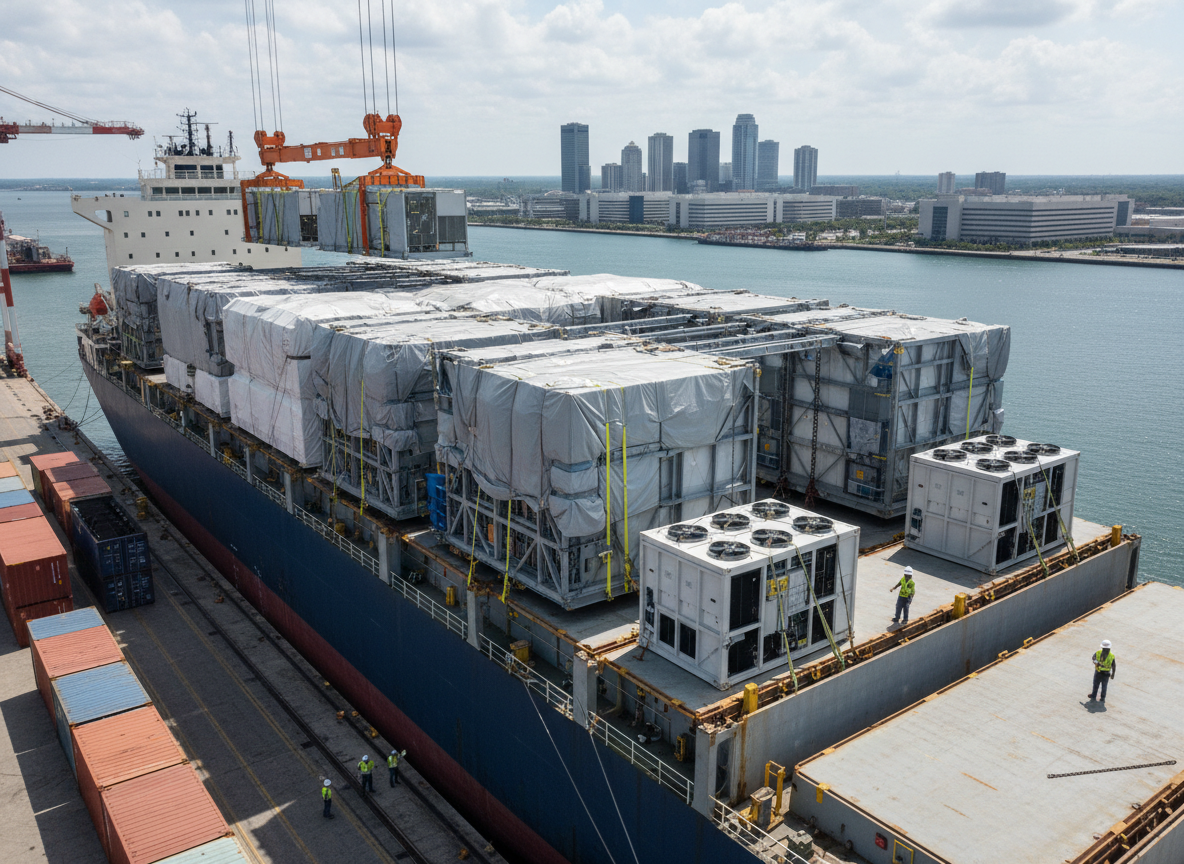
International shipping for modular infrastructure involves navigating a complex web of regulations, logistics, and potential delays, often adding 15% to 40% to the overall project cost and extending timelines by 4 to 12 weeks compared to domestic movements. This is due to factors such as customs clearance procedures, varied port capacities, specific transport infrastructure limitations in destination countries, and the necessity for specialized handling of oversized or overweight modules. Successful global deployment hinges on meticulous planning that accounts for these variables from the initial design phase through to final delivery, ensuring compliance and mitigating unforeseen expenditures and schedule disruptions. Data Center Modular specializes in the fabrication of a wide array of modular solutions, including integrated data centers and modular electrical buildings, designed to meet these rigorous international transport requirements.
Understanding Customs and Import Regulations
Each country maintains its own unique set of customs duties, tariffs, and import regulations that directly impact the cost and feasibility of shipping modular data center components. For instance, importing into the European Union involves adherence to CE marking requirements and specific VAT regulations, while shipments to countries in Southeast Asia, like Singapore or Johor, might encounter different import duties based on trade agreements and local content rules. It is critical to classify the modular units correctly using Harmonized System (HS) codes to avoid misinterpretations that could lead to higher tariffs or delays. Furthermore, some nations impose strict import quotas or require specific permits for specialized equipment, necessitating early engagement with customs brokers and legal counsel familiar with the target market’s regulatory landscape. This proactive approach helps in forecasting landed costs accurately and streamlining the clearance process.
Logistics and Transportation Challenges
The physical act of transporting large, pre-fabricated modules across international borders presents a unique set of logistical challenges. Unlike smaller parcels, modular data centers often exceed standard dimensions and weight limits, requiring specialized carriers, heavy-haul trucks, and sometimes even dedicated ocean vessels or barges. Port infrastructure varies significantly; a major port like Rotterdam or Shanghai can handle larger volumes and specialized cargo more efficiently than a smaller port in a developing region. Route surveys are essential to identify potential bottlenecks such as low bridges, narrow roads, or weight-restricted routes from the port of entry to the final deployment site. Considerations for multi-modal transport, combining sea, rail, and road, are common, each introducing its own set of scheduling and coordination complexities that must be managed meticulously to ensure timely delivery of, for example, Modular Data Center Buildings.
Packaging and Protection for Transit
The journey across oceans and continents exposes modular infrastructure to diverse environmental stressors, from saltwater spray and extreme temperature fluctuations to vibrations and impacts. Robust packaging and internal bracing are paramount to protect sensitive equipment within modules like UPS and Battery Rooms or network operations centers. Modules must be sealed against moisture and dust, with desiccant packs often used to control internal humidity. For sensitive electronic components, anti-static packaging and shock-absorbing materials are critical. Furthermore, securing the module to the transport vehicle or vessel is not just about preventing movement; it’s about distributing forces evenly to prevent structural damage. Documentation of the packaging process, including photographic evidence, is vital for insurance claims and demonstrating due diligence in case of transit-related issues.
Site Readiness and Local Infrastructure
While Data Center Modular focuses on the fabrication of the modular units, the recipient's ability to receive and integrate these units internationally is a key consideration. The destination country's local infrastructure, including road quality, bridge capacities, and the availability of heavy lifting equipment, directly impacts the final leg of the delivery. In regions like rural Africa or parts of South America, specialized cranes or even temporary road reinforcements might be necessary to move and place modules. Power and communication infrastructure at the site also need to be ready for connection upon arrival. Early engagement with local civil engineering firms and logistics providers is crucial to assess site readiness and plan for any necessary modifications or specialized equipment rentals. This ensures that once the modules clear customs, their onward journey and placement are as smooth as possible.
Insurance and Risk Mitigation
International shipping inherently carries higher risks compared to domestic transport, making comprehensive insurance coverage indispensable. "All-risk" marine cargo insurance is typically recommended, covering loss or damage from a wide array of perils during transit. However, understanding the policy's exclusions, deductibles, and claim procedures is crucial. Beyond physical damage, project delays due to customs issues, port congestion, or unforeseen events can incur significant financial penalties. Therefore, contingency planning, including buffer times in schedules and alternative transport routes, is a vital component of risk mitigation. Engaging experienced freight forwarders who specialize in heavy-lift and project cargo for data center infrastructure can significantly reduce these risks by leveraging their expertise in navigating complex international logistics and regulatory landscapes. For further insights into planning for such large-scale movements, consider reviewing resources on Transportation Planning for Modular Data Center Buildings.