2026-09-18 ·
Power Constraints and the Changing Geography of Data Center Development
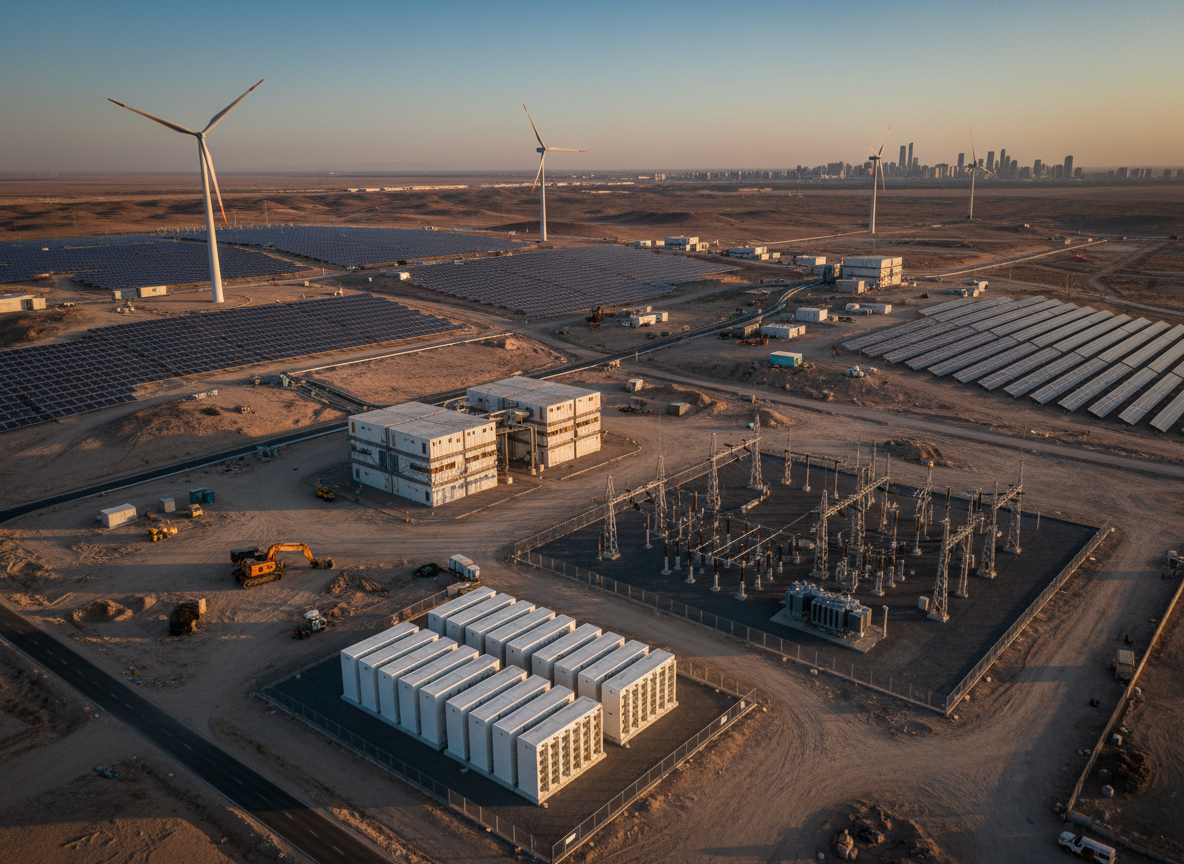
In a growing number of established data center markets, grid capacity and power availability — rather than land, connectivity, or climate — have become a primary constraint on where new projects can be sited and how quickly they can come online. This post looks at how that shift is affecting project planning and site selection.
Why Power Has Become a Leading Constraint
Established markets with high existing data center density have in some cases approached the limits of available grid capacity, leading to longer interconnection queues and, in certain jurisdictions, formal or informal pauses on new large-load connections. This has made power availability — and the timeline to secure it — a leading factor in site selection, sometimes ahead of traditional considerations like connectivity or proximity to population centers.
How This Is Changing Site Selection
Developers are increasingly looking at markets with more available grid capacity, proximity to generation — including renewable and hydroelectric sources — or a favorable regulatory environment for new large-load connections, even where those markets are less established for data centers. This is part of why interest has grown in markets like Canada, with its hydroelectric capacity, alongside more established hubs such as Ireland and the Netherlands, where grid constraints have become a more prominent planning factor in recent years.
What This Means for Project Planning
Because interconnection timelines can now be a longer pole in the project schedule than construction itself, sequencing that lets factory fabrication proceed in parallel with the interconnection and permitting process — rather than starting fabrication only once every approval is in hand — has become more valuable. Power distribution modules and modular electrical buildings can be scoped for a range of interconnection scenarios as a project's power availability becomes clearer.
Delivery and Responsibility
Grid interconnection, utility agreements, and power availability determinations are made by the project's utility, local authorities, and the project's own engineering team — Data Center Modular manufactures the modular infrastructure a project specifies once those determinations are made, and does not represent or guarantee power availability at any location.
Related Resources
For more on project sequencing generally, see parallel construction and data center project sequencing. See also our Netherlands and Ireland pages for market-specific context on two markets where power availability has become a significant planning factor.