2026-09-16 ·
Switchgear Building Design Considerations
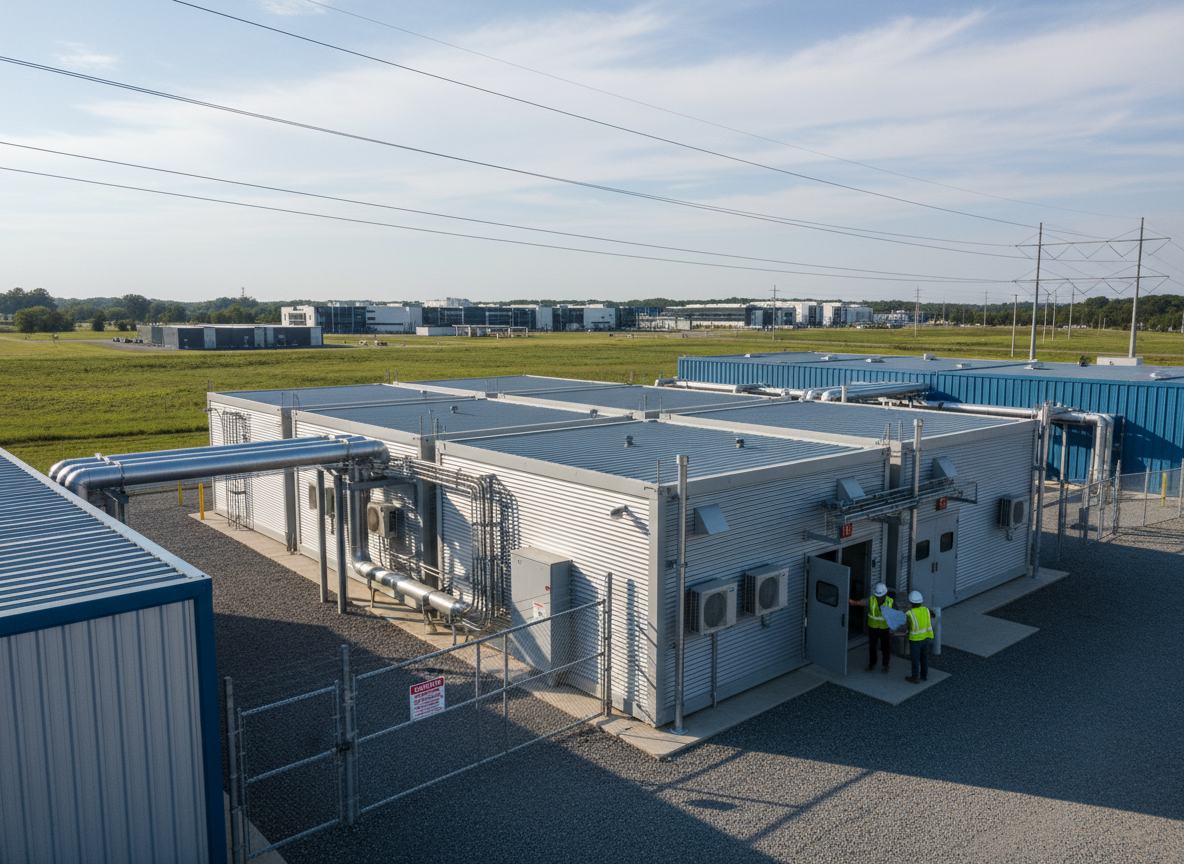
Switchgear building design requires a comprehensive approach that prioritizes structural resilience, precise environmental control, and robust safety measures to ensure the continuous and reliable operation of critical electrical infrastructure. These buildings, often housing medium and low voltage switchgear, motor control centers (MCCs), and protective relays, must be engineered to withstand local environmental stressors while maintaining optimal internal conditions for equipment longevity and personnel safety. Key considerations span from the foundational slab design to the intricacies of HVAC systems and fire suppression, all contributing to the overall integrity and performance of the data center's power backbone.
Structural Integrity and Load Bearing
The primary structural consideration for any switchgear building is its ability to support the significant weight of the electrical equipment it houses. Medium voltage switchgear, for instance, can weigh several tons per section, necessitating a robust foundation and floor system. Designers must account for both static and dynamic loads, including potential seismic forces in active regions like Tokyo or Santiago, and wind loads in areas prone to severe weather, such as the coastal regions near Dubai. The building's frame, whether steel or reinforced concrete, must be engineered to distribute these loads effectively, preventing deflection or settlement that could compromise equipment alignment or structural stability. This often involves detailed finite element analysis to model stress points and ensure compliance with local building codes and international standards.
Furthermore, the structural design must accommodate future expansion or equipment upgrades. This means considering potential increases in load or the need for additional openings for new cable runs. The building envelope itself, including walls and roof, must be designed to resist external environmental factors like heavy snow loads in regions such as Helsinki or Toronto, and intense solar radiation in locations like Phoenix or Riyadh. Material selection plays a crucial role, favoring durable, non-combustible options that offer excellent thermal insulation properties to support internal environmental control. For more on how modular approaches can streamline these structural challenges, see our resource on Modular Electrical Buildings.
Environmental Control and Thermal Management
Maintaining a stable internal environment is critical for the reliable operation and lifespan of switchgear. Electrical equipment generates heat, and excessive temperatures can lead to premature component failure, reduced efficiency, and even safety hazards. Therefore, the switchgear building design must incorporate sophisticated HVAC systems capable of precise temperature and humidity control. This includes redundant cooling units, often N+1 or 2N configurations, to ensure continuous operation even during maintenance or equipment failure. Airflow management is equally important, ensuring uniform cooling across all equipment racks and preventing hot spots.
Beyond temperature, humidity control is vital to prevent condensation, which can lead to electrical shorts and corrosion. Dehumidification systems are often integrated, particularly in humid climates like Singapore or Mumbai. The building envelope's insulation and vapor barrier are crucial in supporting the HVAC system's efficiency, minimizing heat gain or loss from the exterior. Consideration must also be given to air filtration to protect sensitive electrical contacts from dust and corrosive airborne particles, especially in industrial areas or regions with high particulate matter. Proper ventilation for personnel safety, particularly in areas with potential arc flash, is also a key design element.
Safety and Accessibility
Safety is paramount in switchgear building design, protecting both personnel and equipment. This encompasses arc flash mitigation, fire protection, and secure access. Arc flash hazards, a significant concern in high-power electrical environments, necessitate specific design features such as adequate working clearances around equipment, arc-resistant switchgear, and clearly marked safety zones. The building layout must facilitate safe maintenance and emergency response, with clear egress paths and appropriately sized doors for equipment removal and replacement. For insights into how these considerations apply to specialized power infrastructure, explore our page on UPS and Battery Rooms.
Fire suppression systems are another critical element. While water-based systems might be used in some areas, clean agent fire suppression systems are often preferred for switchgear rooms to prevent damage to sensitive electrical components. Early warning smoke and heat detection systems are essential for rapid response. Security measures, including controlled access systems, surveillance, and robust physical barriers, are necessary to protect valuable equipment from unauthorized entry and vandalism. The building's design should also include provisions for grounding and lightning protection, especially in areas prone to electrical storms, to safeguard both the structure and its contents from external electrical events.
Integration with Data Center Infrastructure
A switchgear building is rarely a standalone entity; it's a vital component of a larger data center ecosystem. Its design must therefore consider seamless integration with the overall data center infrastructure. This includes careful planning for cable routing, ensuring sufficient space for conduit and cable trays to connect the switchgear to transformers, generators, UPS systems, and the data hall itself. Coordination with the data center's Building Management System (BMS) and Data Center Infrastructure Management (DCIM) platforms is crucial for remote monitoring, alarm management, and automated control of environmental conditions and power distribution. This holistic approach ensures that the switchgear building functions as an optimized and integrated part of the data center's power delivery system.