2026-09-06 ·
Data Center Resilience and Redundancy Concepts
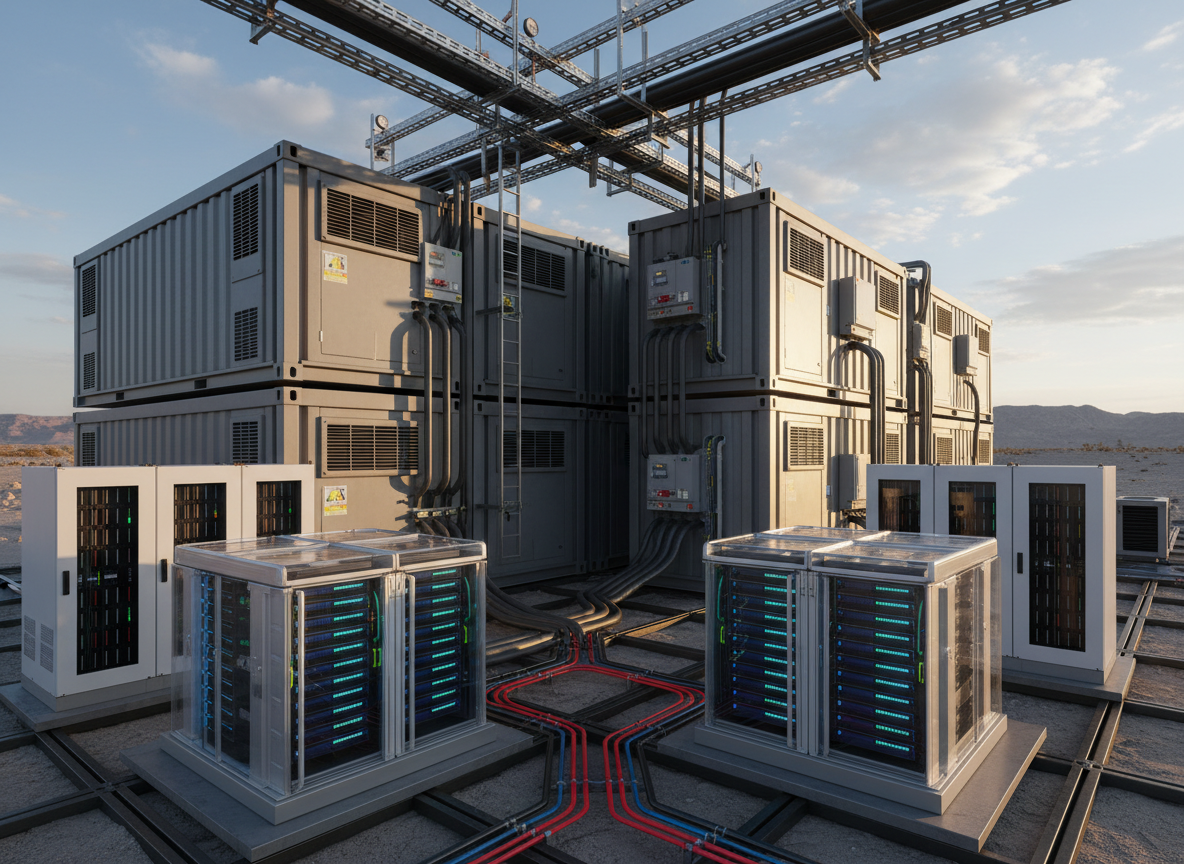
Resilience and redundancy are central design considerations for any data center, and the terminology — N, N+1, 2N, and similar shorthand — describes how much backup capacity is built into electrical and mechanical systems. This post gives a general overview of these concepts and how modular infrastructure is used to support whatever redundancy level a project's own engineering team specifies.
Common Redundancy Concepts
"N" describes the capacity needed to meet a facility's load with no spare capacity; "N+1" adds one additional unit of backup beyond what's needed; "2N" provides a fully duplicate, independent system so that either path alone can carry the full load. The specific redundancy level a facility targets is set by the buyer's engineering team based on the facility's availability requirements, budget, and risk tolerance — this post describes the concepts generally rather than recommending a specific level for any given project.
How Modular Infrastructure Supports Redundancy
Because modular systems — UPS and battery rooms, power distribution modules, switchgear buildings — are supplied as discrete units, they can be configured and duplicated to match whatever redundancy architecture a design calls for, whether that's a single system, a backup unit, or a fully duplicated path. See UPS and battery rooms, power distribution modules, and switchgear buildings for the building blocks involved.
Delivery and Responsibility
Data Center Modular manufactures the modular units a redundancy design specifies. The redundancy level itself, along with system design, installation, and commissioning, is determined and executed by the project's own engineering team and local contractors — modular supply follows the design rather than setting it.
Related Resources
For more on the systems involved, see UPS infrastructure planning for modular deployments and battery room design and safety considerations. For power distribution specifically, see power distribution planning for modular data centers.