2026-08-18 ·
Modular Data Center Design Guide
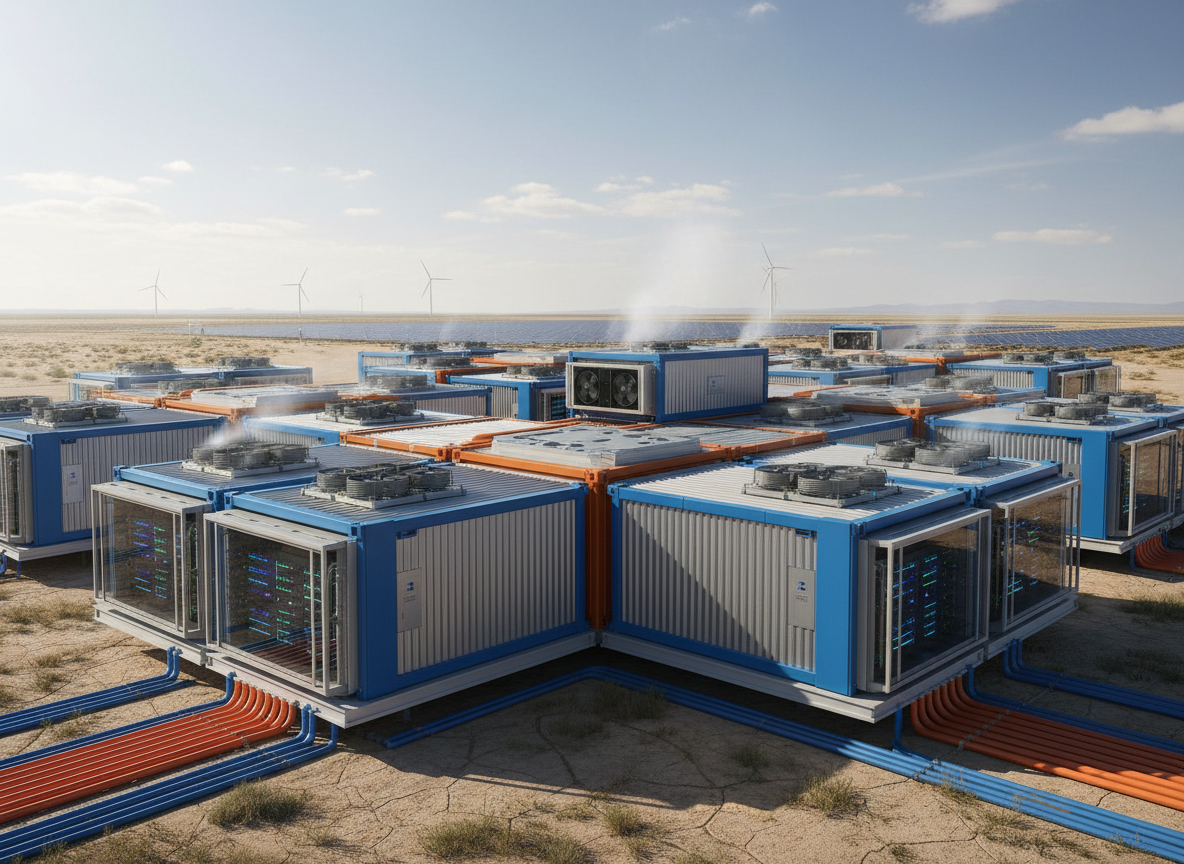
Designing a modular data center program involves a distinct set of decisions from a traditional ground-up build — decisions about building type, factory-built scope, and how modules will integrate with site-specific civil, electrical, and mechanical work. This guide walks through the main design inputs that shape a modular data center program, from initial building selection through electrical and cooling architecture.
Choosing a Building Approach
Modular data center programs generally start with a choice between a few building approaches: fully integrated modular data centers that combine IT space, power, and cooling in factory-built modules; modular data center buildings supplied as a shell for the buyer's own fit-out; or modular data halls sized to add capacity to an existing facility. The right approach depends on project timeline, the buyer's in-house engineering capacity, and whether the deployment is a new site or an expansion of existing capacity. See modular data center buildings, integrated modular data centers, and modular data halls for more on each approach.
Electrical and Cooling Architecture
Electrical design typically covers switchgear, UPS and battery systems, and power distribution sized to the facility's target IT load, while cooling architecture depends on the density mix the site is designed to support — conventional air cooling, liquid cooling, or a hybrid of the two. These systems are commonly supplied as their own modules — see modular electrical buildings, UPS and battery rooms, and cooling and mechanical modules — so they can be scoped and delivered on a schedule that matches the rest of the build.
Delivery and Responsibility
Data Center Modular manufactures the modular building components a design calls for. Local permitting, detailed site engineering, foundations, utility connections, and installation remain the responsibility of the project's own engineering team and local contractors — modular design decisions are made alongside that team, not in place of it.
Related Resources
For more on when a modular approach fits a given project, see our post on modular vs. conventional data center construction and when modularization makes sense for data center projects. For a deeper look at power and cooling architecture, see power distribution planning for modular data centers and modular cooling infrastructure options.